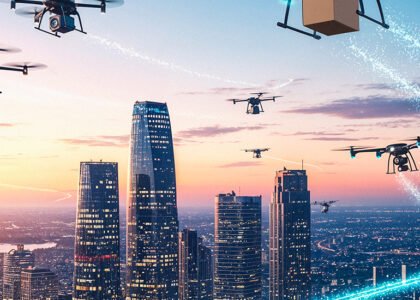

In emergency situations, time is incredibly valuable. When a person is suffering from cardiac arrest or a significant injury, the difference between survival and failure is often measured in seconds or a minute. Ambulances are currently our quickest responders. What if there was even something faster than that? Drones.
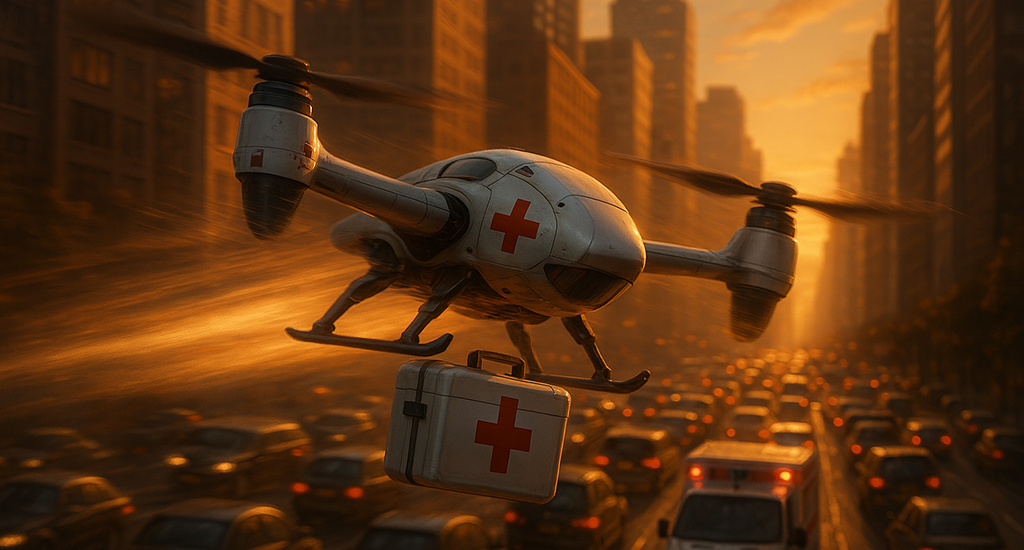
Drones can now perform more than just deliver packages or take scenic photos; they can now save people’s lives. Medical drones can deliver critical medical equipment like defibrillators, EpiPens, and blood packs far more efficiently than traditional emergency services. During congested urban traffic or in remote rural areas where ambulances take much longer, drones are able to cut through the chaos and reach the victims.
One of the key studies conducted in Sweden revealed that using drones carrying AED (automated external defibrillators) increased productivity by arriving at the cardiac arrest patients faster than ambulance equipment. In our example, receiving AEDs sixteen minutes earlier drastically helps increase chances of survival during a cardiac arrest.
This new technology is extremely useful due to many reasons including:
Drones are speed enhanced.
Reduction of time wasted: Travel over rooftops without having to sit in traffic
Accuracy: They can use GPS to land and drop devices at the exact location.
Accessibility: Drones can reach places where ambulances cannot: roofs, mountain paths, or disaster areas.
But the drone provides potentials beyond delivery. AI-controlled drones can determine the scenes, transmit live videos to emergency staff, and help to guide strangers through important processes while help is still on the way. Imagine a drone that comes to a remote cycling site, delivers a medical set, and shows real-time instructions on how to stop blood or perform CPR, long before an ambulance can navigate the area.
Airspace rules must be harmonized to avoid collisions with manned aircraft. The small UAVs often have a limited range and payload capacity. They depend on clear weather, and strong winds or rain can disrupt operations. Public acceptance is also important; people need to feel comfortable with drones flying over their heads, especially in residential areas. Still, many countries are testing pilots to see how it works. For example, Australia allowed drones to carry medicines from hospitals to remote villages.
The United States is working on cargo delivery laws. It will take time to work out the system, but the potential is huge.
Gone are the days when people used to think that drones would replace paramedics and emergency services. Today’s drones are designed to work alongside ambulances and emergency workers, ensuring quick medical responses in critical situations. These drones have the capability of delivering life-saving equipment and medication to accident victims well before human medical teams arrive, stabilizing conditions until professional help comes. This technology doesn’t aim to replace seasoned paramedics but rather empowers them with advanced logistics. Thus helping in saving more lives. By using these drones for medical emergencies, we are actually buying time during golden hours, which can be crucial for survival.
Since technological progress and infrastructure adjustment, it is not difficult to imagine a future in which the sound of drones above signals not delivery but hope.